
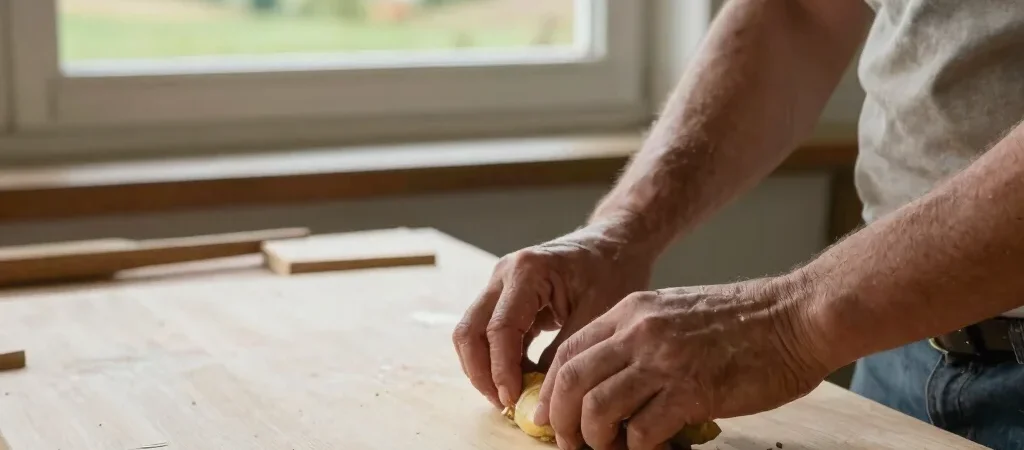
A photograph of hands at work can make a producer story feel immediate, but an attractive image alone cannot explain how a food is made. Around Schirmeck and the Bruche Valley, useful coverage connects a person’s know-how to specific practices and products. It also makes clear what the writer has confirmed—and what they have not.
Look for specific practice
A strong account names the work: tending a particular crop, making cheese, preserving fruit, or another process the producer actually describes. It explains the choices involved in plain language instead of leaning on vague praise. Those details help readers understand the skill behind a farm product without pretending every producer follows the same approach.
Good reporting also separates a producer’s own account from independently confirmed information. A stated method or origin is valuable, but it should be attributed clearly rather than expanded into a broader claim about all farms in the valley. That distinction makes a story more trustworthy, not less warm.
Keep the reader oriented
A useful portrait tells readers where the activity takes place and what product or practice is being discussed, while avoiding details that have not been checked. It can explain how to confirm current opening times or availability without guessing at either. Local information changes, and a good article leaves room for that.
When you read about a producer, look for the connection between place, practice, and product. When you write or share a story, preserve that connection and keep the limits of the evidence visible. That is how a local guide can celebrate producer know-how without speaking for every farm.